Bikepacking: South East Gravel — a complete planning guide
England's south-east has been a hub of habitation and industry since long before the Romans arrived, but it might not be the first place you think of for bikepacking. Ed Hunton has spent a decade proving that assumption wrong. Across 12 graded gravel routes ranging from 69 to 249km (40–155 miles), this guide unlocks three National Parks, seven National Landscapes, and more than half a dozen Royal Forests — all reachable from London by train in an hour or two. From the ancient forest tracks of the New Forest to the remote beaches of Norfolk, this is gravel adventure on your doorstep. (Last updated: June 2026 · Guidebook edition: First edition, May 2025)
Bikepacking: South East Gravel, quick facts:
- Location: Southern and eastern England — Surrey, Kent, Sussex, Essex, Suffolk, Norfolk, the Chilterns, the New Forest, and the Isle of Wight
- Routes: 12 graded gravel bikepacking routes
- Distance range: 69–249km (40–155 miles) per route
- Typical duration: 1–4 days per route
- Difficulty: Graded for all abilities — from beginner-friendly coastal routes to technically demanding singletrack in the Surrey Hills and Kent Downs
- Bike type: Gravel bike or mountain bike
- Terrain: Farm tracks, bridleways, green lanes, forest tracks, canal paths, esplanades, and quiet lanes
- Navigation: 1:150,000 maps and elevation profiles per stage; GPX files available to download
- Accommodation: Wild camping, campsites, shepherds' huts, B&Bs, hostels — comprehensive listings in Appendix A
- Best season: Spring and autumn ideal; most routes accessible year-round; avoid wet winter days on off-road sections
- Guidebook: Bikepacking: South East Gravel by Ed Hunton, 1st edition (May 2025)
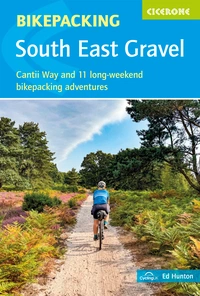
Bikepacking - South East Gravel
Cantii Way and 11 long-weekend bikepacking adventures
£16.95
Guidebook to 12 of the best gravel bikepacking routes in the South and East, including the Cantii Way, exploring forest tracks, bridleways and quiet lanes over 1 to 5 days. The cycle routes are suitable for beginner and experienced MTB and gravel-bike riders, are easily accessed by public transport, and are well served for accommodation and facilities.
More informationWhat is Bikepacking: South East Gravel?
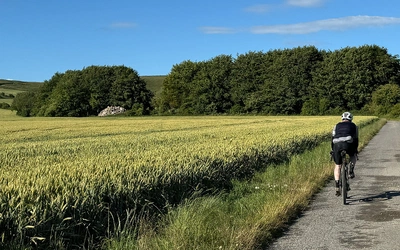
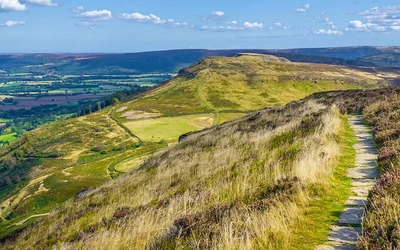
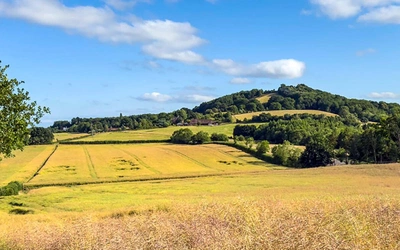
Bikepacking: South East Gravel is a guidebook to 12 graded multi-day gravel routes across southern and eastern England, from the New Forest in the west to the Norfolk coast in the north, and from the Isle of Wight in the south to the Kent coast in the east. The routes cover some of the most varied terrain in England: ancient royal forests, chalk downland ridges, open heathland, coastal esplanades, and forgotten green lanes that have been overlooked by road cyclists for decades.
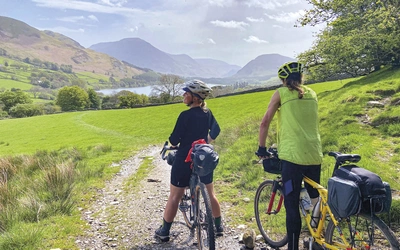
Unlike road cycling or traditional cycle touring, bikepacking takes you off-road. The style sits between road cycling and mountain biking, using farm tracks, bridleways, canal towpaths, and gravel forest drives to immerse you in the landscape rather than route you around it. Most of the routes in this guide require a tent or bivvy bag and some overnight kit — but the south-east's dense network of campsites, country pubs, and B&Bs means you are rarely far from a comfortable alternative.
What makes this corner of England genuinely surprising for bikepacking is the scale of wild and protected land within easy reach of one of the world's most populous cities. Four of the UK's ten richest biodiversity areas fall within the guide's coverage. The Cantii Way, a multi-day route through Kent, is one of the most distinctive additions to the bikepacking map of southern England in recent years, joining eleven long-weekend adventures that can be ridden in a day, a day and a half, or stretched over four days depending on pace and ambition.
This planning guide answers the most common questions riders have before setting out. For complete stage-by-stage route descriptions and mapping, see the Cicerone Bikepacking: South East Gravel guidebook.
The 12 routes at a glance
The routes are arranged broadly west to east and north to south, making it easy to choose by location and travel time from your starting point.
| Route | Location | Distance | Time |
|---|---|---|---|
| The New Forest: From the Forest to the Sea | Hampshire | 167km (103.8 miles) | 2-3 days |
| Ticket to Ryde | Isle of Wight | 135km (84 miles) | 2-3 days |
| A Tower, a Temple and a Punch Bowl | Surrey Hills | 132km (82 miles) | 2-3 days |
| The Chilterns Off-Road Cycleway | Chiltern Hills | 133km (82.7 miles) | 2-3 days |
| Come on Pilgrim | Kent Downs | 76.2km (47.5 miles) | 1-2 days |
| High Weald Drifter | East Sussex/Kent | 159km (99 miles) | 2-3 days |
| Battle Cruiser | Kent/Sussex Coast | 68.4km (43.3 miles) | 1-2 days |
| The Cantii Way | Kent | 249km (154.7 miles) | 2-5 days |
| The Only Way | London/Essex | 148km (92 miles) | 2-3 days |
| Stour Valley Villages | Essex/Suffolk | 144km (89.5 miles) | 2-3 days |
| Three Ferries and a Power Station | Suffolk Coast | 109km (67.8 miles) | 2-3 days |
| North Norfolk Ways | Norfolk | 179km (111.2 miles) | 2-3 days |
Route distances range from 69km (40 miles) to 249km (155 miles). The majority are designed to be ridden over two to three days, though Route 5 (Come on Pilgrim) and Route 7 (Battle Cruiser) can be completed in a single long day. The Cantii Way (Route 8) is the longest and most ambitious, at 249km (155 miles), and predominantly follows the Kent coast on esplanades, making it one of the more accessible of the longer routes. Each route includes a route summary table with stage distances, ascent/descent, surface type, and grade.
How difficult are these routes?
The routes use British Cycling's off-road grading system, and each stage within a route is graded individually:
- Green / Easy: Flat, even ground with shallow climbs — suitable for most riders, no special skills needed
- Blue / Moderate: Basic mountain biking skills required; includes minor obstacles, moderate gradients, and occasional steep descents with semi-technical features
- Red / Difficult: For proficient riders; mostly singletrack with technical sections, challenging climbs, varied surfaces including rocks, steps, drop-offs, and water crossings
The Surrey Hills (Route 3), Chiltern Hills (Route 4), and Kent Downs (Route 5) include the most technically demanding singletrack in the guide, with hike-a-bike sections on the hardest stages. The Suffolk Coast (Route 11), Essex routes, and the esplanade sections of the Cantii Way (Route 8) are less technically demanding, though no less rewarding. The guide's overall descriptive grades (easy, moderate, difficult) take the route's broader character into account alongside the MTB stage grades — check the information box at the start of each route for the combined assessment.
Which routes are suitable for beginners?
If you are new to bikepacking, Route 10 (Stour Valley Villages) and Route 11 (Three Ferries and a Power Station) are the best starting points. Both are well served by family-friendly campsites, follow relatively forgiving terrain, and are manageable for riders new to carrying overnight kit. Route 10 can also be shortened without compromising the experience.
Three routes in the guide are suitable for children aged 10 and up: Stour Valley Villages (Route 10), Three Ferries and a Power Station (Route 11), and the Cantii Way (Route 8). The Cantii Way's coastal esplanade sections make it surprisingly adaptable for younger riders, despite being the longest route in the guide.
Routes 3, 4, and 5 require confidence on technical off-road terrain and are better suited to riders with some gravel or mountain bike experience. The information box at the start of each route gives a clear steer on the skills and fitness required.
Can I ride a shorter section?
Yes. Several routes offer practical one-day alternatives, and the guide includes Big Gravel Day suggestions for each — long day rides without overnight kit that cover the wildest terrain in the area. Routes 5 (Come on Pilgrim) and 7 (Battle Cruiser) can be completed as single-day rides in full.
Because all routes start and finish at railway stations (or, in the case of Route 2, a ferry terminus), it is straightforward to ride a single stage and catch a train home. The guide includes alternative schedules ranging from one to five days for each route, along with alternative start and finish options. For riders with limited annual leave, the density of the rail network in the south-east gives a flexibility that most other regions in England cannot match.
When is the best time to go?
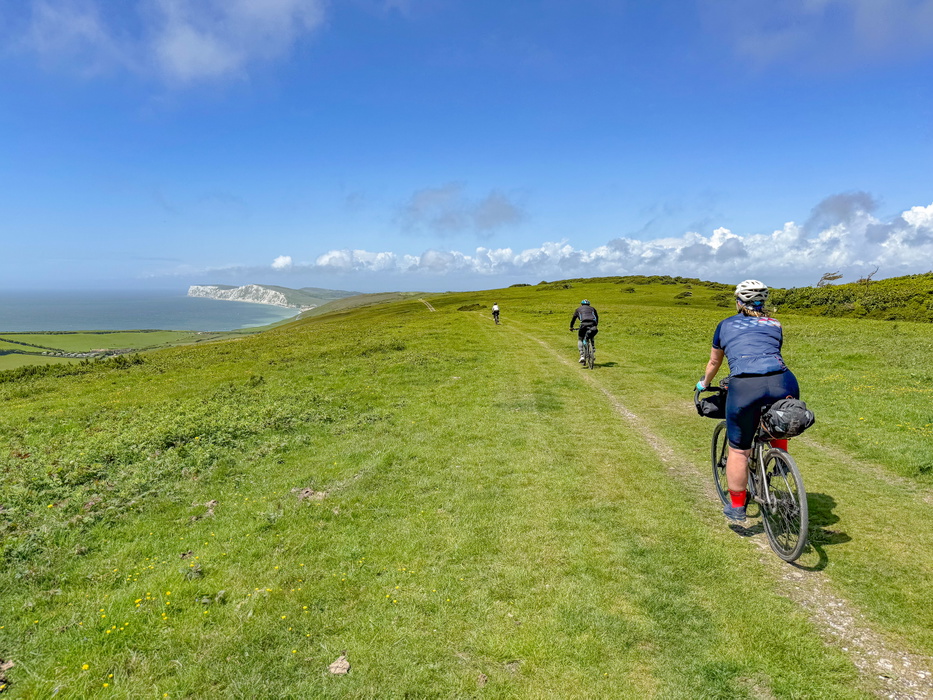
- Spring (March to May) and autumn (September to November) offer the most rewarding conditions: mild temperatures, fewer crowds, and trails that have recovered from winter mud but not yet been worn by summer footfall. Ed Hunton notes that spring and autumn are ideal for the majority of routes.
- Summer (June to August) brings long daylight hours and dry trails, but leisure infrastructure in the south-east can be stretched during school holidays. Book campsites in advance if you plan to use them. Wild camping is an option throughout the year, but summer weekends in popular areas require discretion and careful planning.
- Winter (December to February) has its own appeal: quieter trails, bare trees with long views, and a different quality of light. But many bridleways and forest tracks will be churned up after prolonged wet weather, and shorter days demand tighter planning. The coastal and esplanade sections of the Cantii Way (Route 8) hold up better in winter than the inland singletrack routes.
Autumn is the sweet spot for the longer routes. September in particular gives you settled weather, good trail conditions, and the quiet that the south-east rarely offers in high summer.
What accommodation is available?
The south-east offers more accommodation variety than almost any other region in England. The full listings are in Appendix A of the guidebook.
Wild camping is an option throughout the guide's coverage area, though the south-east is densely populated and planning is required. Ed Hunton's advice is to study the map beforehand for bridleways leading onto common land, head uphill and away from paths and settlements as the day ends, and camp late and leave early. The key rules: camp solo or in small groups, leave no trace, no open fires, and bury human waste at least 10 inches deep away from water courses.
Campsites are plentiful across the region, with recommended areas flagged in Appendix A alongside the wild camping locations. Routes 10 and 11 are especially well served.
Other options range from shepherds' huts and glamping pods to B&Bs, hostels, and country pubs that serve dinner and will often let you dry your kit. Mixing accommodation types, wild camping one night, a B&B the next, is a practical strategy that keeps costs manageable and gives you a hot meal and dry sleeping bag when the weather turns.
How do I get to the routes?
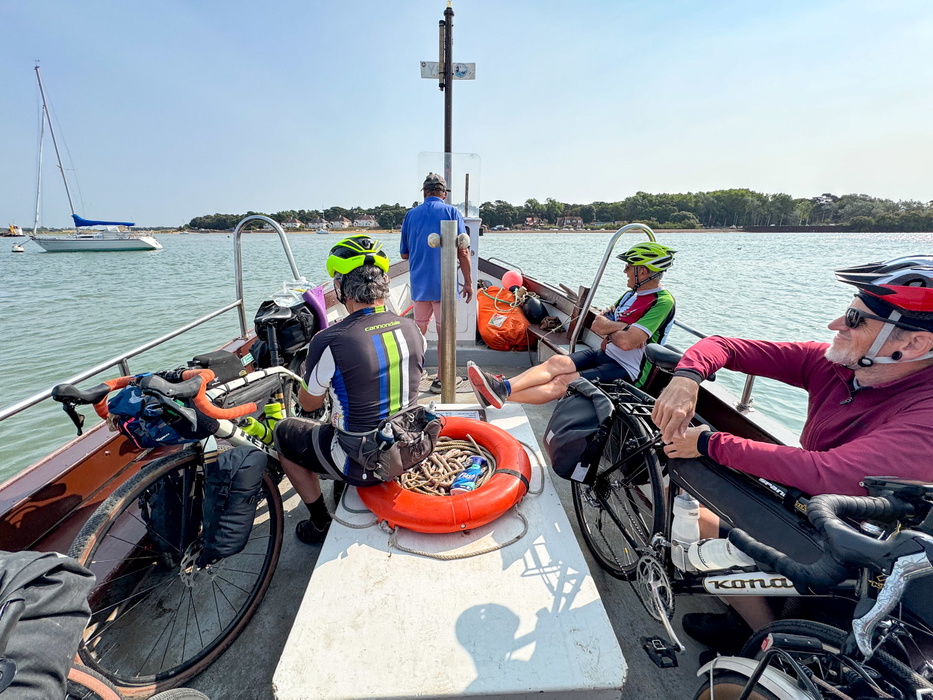
Every route in the guide starts and finishes at a railway station, or (in the case of Route 2, Ticket to Ryde) a ferry terminus. All 12 routes are reachable from London by train within one to two hours, making this genuinely one of the most accessible bikepacking guides in the Cicerone range.
The guide emphasises public transport as the preferred access method — faster and more sustainable than the often-congested road network across the south-east. For riders travelling by train, some operators require advance bike reservations; check before you travel.
For circular routes where driving makes more sense, the guide suggests parking on a suburban street (respecting driveways and restrictions) or using a long-stay car park. The flexibility of the rail network also means you can ride a linear route and return to your car by train without retracing your wheel marks.
What bike do I need?
A gravel bike is the recommended choice for all 12 routes. The south-east is hilly but not mountainous, and a gravel bike handles the terrain without the weight penalty of a full-suspension mountain bike. A mountain bike will cope and may be more fun on the technical singletrack sections of the Surrey Hills and Chilterns, but can slow you down on the long road and gravel track sections between.
Whatever bike you ride, the guide advises having it recently serviced before setting out and carrying tools for basic repairs, spare inner tubes, and lights. A bike shop appendix (Appendix B) lists shops along each route. Tyre choice matters on the wetter routes: wider tyres with some tread will handle churned bridleways far better than slicks.
What kit do I need for bikepacking the South East?
Bikepacking requires carrying overnight gear on the bike: at minimum a tent or bivvy bag, sleeping bag, and food preparation kit. A recommended kit list (Appendix C) is included in the guidebook, covering both essential items and an extended list for out-of-season or fully self-supported trips.
The guide's advice is to pack light. All routes include off-road sections, some are hilly, and you will be hauling your gear over rough terrain. Choose the lightest gear appropriate to the conditions — merino wool base layers for multi-night trips outside the summer months, synthetic materials for shorter summer rides. For food, the south-east's density of country pubs and village Co-ops means you rarely need to carry more than a day's supplies; dehydrated meals and overnight oats are useful backups.
Rights of way and access
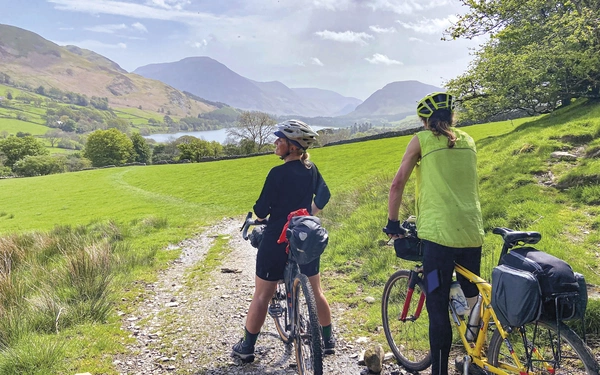
Riders are permitted to use bridleways, cycleways, green lanes, and permissive bridleways. You are not permitted to ride on footpaths. All routes in this guide have been planned to comply with these rules. The guide also makes use of the National Cycle Network (labelled 'NCN'), managed by Sustrans, to link off-road sections — these routes tend to be quiet and often picturesque.
Wild camping is technically illegal in much of England but widely tolerated on open access land, provided riders follow leave-no-trace principles and behave considerately. The guidebook provides detailed guidance on wild camping practice specific to the south-east.
Bikepacking - South East Gravel
Cantii Way and 11 long-weekend bikepacking adventures
£16.95
Guidebook to 12 of the best gravel bikepacking routes in the South and East, including the Cantii Way, exploring forest tracks, bridleways and quiet lanes over 1 to 5 days. The cycle routes are suitable for beginner and experienced MTB and gravel-bike riders, are easily accessed by public transport, and are well served for accommodation and facilities.
More informationPlan your South East bikepacking adventure with the Cicerone guidebook
Bikepacking: South East Gravel by Ed Hunton covers everything you need to plan and ride all 12 routes:
- Full turn-by-turn route descriptions with inline maps for all 12 routes
- Route summary tables with stage distances, ascent/descent, surface type, and MTB grade
- Elevation profiles with refuelling stops, campsites, access points, and railway stations marked
- Alternative schedules from one to five days per route, plus Big Gravel Day options
- Alternative start/finish points, shortcuts, and extensions
- 1:150,000 maps for each stage
- Appendix A: accommodation listings and recommended wild camping areas
- Appendix B: bike shop listings along each route
- Appendix C: recommended kit lists (essential and extended)
- Practical advice on wild camping, access rights, fuel strategies, and navigation
Available as a printed guidebook (£16.95) or digital eBook.
About Ed Hunton, guidebook author
Ed Hunton grew up in the wilds of North Devon on the edge of Dartmoor and cycling was his main mode of transport. He would set off with Super-c panniers loaded and an OS Landranger stuffed in his rain mac. The unparalleled feeling of freedom his first bike afforded him on his adventures through the web of B-roads and green chutes of the South-West gave him a lifelong passion for cycling. Inspired by a local bike shop owner, John Spur, tours in Italy, Spain, Benelux, France and Cuba followed, with a mixture of campsites, wild camping and pensions being his preferred accommodation. A keen member of Audax, Ed has also completed the Trans Alba (an 800-mile circuit of Scotland), taken part in Bear Bones events and ridden countless sportives. For him, few experiences can match setting up camp in a remote part of the landscape, getting a brew on and contemplating the heavens from the comfort of his hammock.