Exploring the Prosecco Hills: a conversation with Gillian Price
Nestled in the foothills of the Alps, the Prosecco Hills are a landscape of steep, terraced vineyards, charming villages, and peaceful country lanes. In her guidebook Walking in the Prosecco Hills, Gillian Price shares her love for this lesser-known corner of Italy, offering practical tips, insider insights, and a wealth of local knowledge. We spoke to her about what makes the hills so special, the joys of walking their paths, and why visitors keep returning.
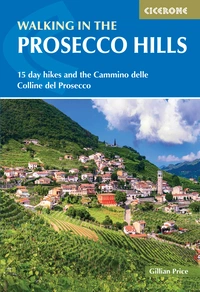
Walking in the Prosecco Hills
15 day hikes and the Cammino delle Colline del Prosecco
£17.95
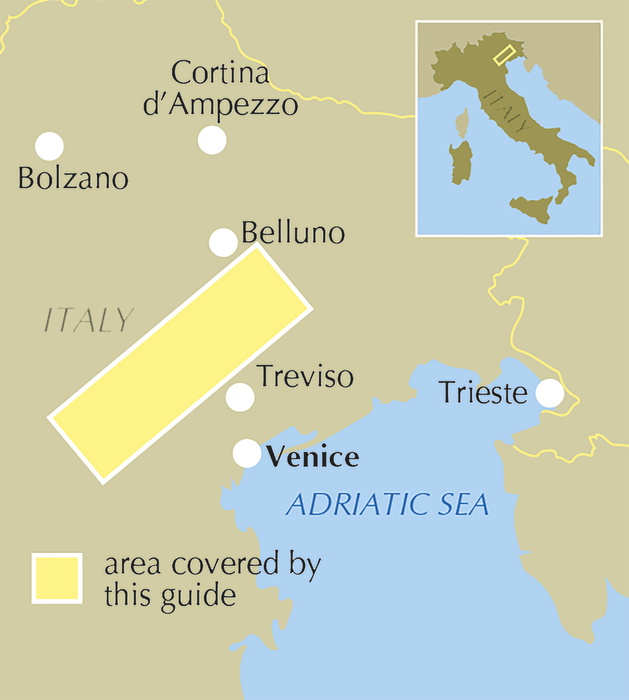
Guidebook to 15 day walks and the 4-day (51km, 32 mile) Cammino delle Colline del Prosecco trek exploring the Prosecco Hills north of Venice. Routes range from easy to moderate and can be enjoyed year-round. History, local wines and cuisine, points of interest and facilities (including accommodation and transport) are described in detail.
More information"In the northeast of Italy, just over an hour from Venice, lines of gentle hills dotted with historic villages spread beneath a backdrop of soaring mountains. Known as the Colline del Prosecco/Prosecco Hills, this veritable sea of green is a mosaic of vineyards, fields and woods, with wave upon rolling wave of meticulously terraced hillsides. Stunningly beautiful. Most visitors (and Veneto residents) speed straight past these ‘mere hills’ on their way to the Dolomites. They don’t know what they’re missing!" -Gillian Price
Location: Prosecco Hills (Colline del Prosecco), Veneto, north of Venice, Italy
Number of routes: 15 day walks plus the 4-day Cammino delle Colline del Prosecco
Distance: 2–13km (1–8 miles) per day walk; 51km (32 miles) for the 4-day cammino
Duration: 1–3 hours per day walk; 4 days for the cammino
Areas covered: Valdobbiadene, Vidor, Col San Martino, Pieve di Soligo, Follina, Conegliano, Vittorio Veneto
Route type: Circular and linear vineyard walks, plus a multi-day cammino linking valleys and villages
Difficulty: Easy to moderate routes suitable for most walkers
Terrain: Terraced vineyards, wooded hillsides, ridge paths, country lanes, villages, historic churches and castles
Navigation: 1:50,000 map extracts included for each walk; GPX files available
Best season: Year-round walking; spring greenery, September grape harvest, autumn colours and clear winter days
Highlights: UNESCO-listed vineyard landscapes, Valdobbiadene wine country, Follina Abbey, historic villages, local food and Prosecco tastings
Equipment: Walking shoes or boots with good grip, layered clothing; trekking poles optional
Refreshments & facilities: Accommodation, food stops, wineries and public transport connections described throughout the guidebook
Hi Gillian! How did you first discover the Prosecco Hills, and what made you want to write a guidebook about them?
Like most Venetians and residents of northeast Italy, I'd hardly glanced at the hills as I was always intent on dashing up to the higher Dolomites. Then, some years ago, I started helping a friend with winery visits, and that opened my eyes to the unusual landscapes there. Surprisingly steep hillsides dropping from prominent ridges, and places where people had spent centuries painstakingly modelling narrow terraces and planting vines that can only be nurtured and looked after by hand.
The Prosecco Hills were awarded UNESCO World Heritage recognition in 2019, and a couple of years ago, a four-day walking route linking valleys and villages was launched. It was too good to miss. A friend and I walked it in January one year with frost on the ground and inspiring views to both the plains and the snowbound alpine foothills. Then, bit by bit, I discovered a veritable network of paths, so I went back in spring and summer to rejoice in the masses of greenery and vines laden with bunches of grapes. Cicerone was clearly needed to bring it to our walkers' attention! The area is on my doorstep (I am lucky, living in Venice no less), and I can get there easily for day walks thanks to trains and buses, a responsible way to visit.
Could you tell us a bit about the 4-day cammino route and what walkers can expect from it?
A surprisingly delightful experience. While these are 'just' hills, not mountains, there are no difficult sections however if you're used to level ground they can be steep and challenging. The stages conclude each evening in a village so that means that each day you cross a ridge - up and then down again. There's plenty of variety (though I'd have been content to walk through vineyards all day). You pass through terraced vineyards, along crests with reminders of the First World War, ramble on country lanes, pass churches in marvellous scenic spots, enjoy shady deciduous woods, and there are few other walkers. There are some lovely places to stay - cosy family-run hotels and B&Bs, with outstanding meals in store.
What are your favourite villages or spots along the walks that you think shouldn’t be missed?
That's a hard one! I adore the abbey at Follina and the ancient irrigation channels the monks constructed, the chestnut woods at Combai, the Val Trippera caves where grappa used to be distilled (illegally), San Pietro di Barbozza and its anti-hail machines to protect the grape vines, Valdobbiadene with its marvellous piazza, Serravalle and its eateries, the old water-powered mills at Cison, the 'Sunday Christ' fresco at San Pietro di Feletto... if I go on I'll end up listing every single walk.
Are there any insider tips for combining walking with wine tasting in the area?
Each and every village has wineries and local bars where a range of locally produced Prosecco is on offer. Just ask. Do try the different varieties and you'll soon develop a taste for dry, semi-dry, brut...
How accessible are the routes for less-experienced walkers, and what kind of footwear or preparation do you recommend?
While none of the walks requires alpine experience, less experienced walkers should choose the Grade 1 routes, such as the circuit of the Revine lakes or the Credazzo towers loop, for starters. All walkers will need either lightweight boots or high-quality trainers with good-grip soles. Better safe than sorry.
When is the best time of year to visit the Prosecco Hills, and why?
Quite frankly... whenever you like! I've walked in these hills all year round - with no regrets. Midsummer is probably the least recommended, as it can get pretty warm and humid, though September means grape harvesting - always a special treat. In spring, the hills sparkle with fresh greens and flowers, while October features lovely shades of autumn colours on vines and trees, not to mention scrunchy leaves as you walk. Winter can be heaven, with excellent visibility and very quiet conditions.
What do you hope walkers take away from a visit to the Prosecco Hills, whether it’s the scenery, the wine, or the culture?
Where do I start? A head full of photos of the beautiful landscapes and rippling lines of grapevines, a stomachful of memorable food - locally crafted cheeses and salamis, trad bean soup, deliciously bitter radicchio salad, sizzling meat cooked on a spit, and, naturally tiramisù created in nearby Treviso. Memories of the mouthfuls of the lightly sparkling (but never sweet) Prosecco wine. A kaleidoscope of local history episodes - see my favourite spots above. And a burning desire to come back and see more. I never tire of these hills.
Walking in the Prosecco Hills
15 day hikes and the Cammino delle Colline del Prosecco
£17.95
Guidebook to 15 day walks and the 4-day (51km, 32 mile) Cammino delle Colline del Prosecco trek exploring the Prosecco Hills north of Venice. Routes range from easy to moderate and can be enjoyed year-round. History, local wines and cuisine, points of interest and facilities (including accommodation and transport) are described in detail.
More information