Coastal Walks in Andalucia: a complete planning guide
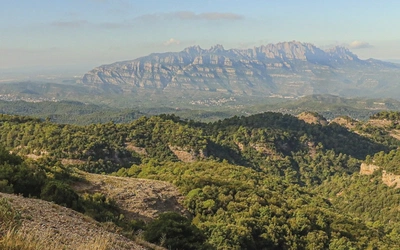
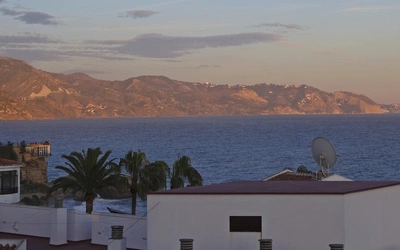
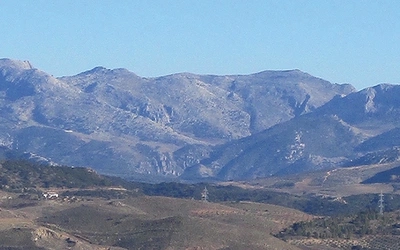
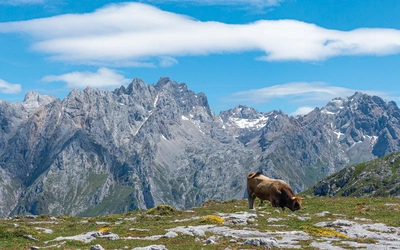
Just a few hundred metres from Andalucia's famous beaches, the mountains of the Subbetica range rise steeply from the coast to offer some of the finest walking in southern Europe. From the windswept Atlantic shores around Tarifa and Cape Trafalgar to the rugged limestone ridges above Marbella, the dramatic gorges of the Costa Tropical and the volcanic landscapes of the Cabo de Gata near Almeria, this is a coastline that rewards those who look beyond the sunlounger. This guide covers everything you need to plan a walking trip to the Andalucian coast: the best seasons, how to get there, where to stay, and what to expect from the terrain and grading — drawing on Coastal Walks in Andalucia by Guy Hunter-Watts and Mike Yeatman, which describes 40 graded walks from 6 to 20km (4 to 12 miles) across seven natural parks, all walkable year-round from Malaga. (Last updated: June 2025 · Guidebook edition: 2nd edition, January 2025)
Coastal Walks in Andalucia, quick facts:
- Location: Southern Spain — Andalucia's Atlantic and Mediterranean coasts
- Total routes: 40 graded circular and linear day walks
- Distance range: 6km to 20km (4 to 12 miles) per walk
- Typical duration: 2 to 8 hours
- Difficulty: Easy / Easy–Medium / Medium / Medium–Difficult
- Terrain: Coastal clifftops, limestone ridges, pine and cork oak forest, gorges, volcanic landscapes, marshland and beach
- Highest point: La Maroma, 2069m (Walk 28)
- Navigation: Written route descriptions with 1:50,000 mapping; GPX files available for all 40 walks
- Best season: March to June and September to late October; year-round possible; Cabo de Gata best in winter
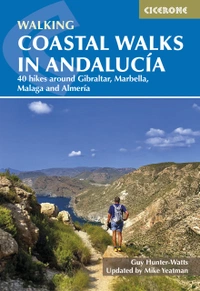
- Guidebook:Coastal Walks in Andalucia, Guy Hunter-Watts and Mike Yeatman, 2nd edition, Cicerone Press
Coastal Walks in Andalucia
40 hikes around Gibraltar, Marbella, Malaga and Almeria
£17.95
SALE
£15.26
Over 40 half and full-day walks along Andalucia's Atlantic and Mediterranean coasts. The guidebook features the best of the Subbetica range, nearly all walks falling within Natural Parks and Reserves, from Vejer to Tarifa on the Atlantic and from Estepona, Marbella and Mijas to Nerja and Almunecar on the Mediterranean. Year-round walking.
More informationWhat is Coastal Walks in Andalucia?
Coastal Walks in Andalucia is a Cicerone guidebook describing 40 graded day walks along the southern Spanish coastline, spread across seven of Andalucia's most beautiful natural parks and protected areas. The routes run from Vejer de la Frontera and Tarifa on the Atlantic coast eastward through the Costa del Sol, the Costa Tropical and on to the volcanic landscapes of the Cabo de Gata near Almeria — a sweep of some 400 kilometres of extraordinary walking country. Most routes are circular, and all are within comfortable reach of anyone in reasonable health who walks regularly.
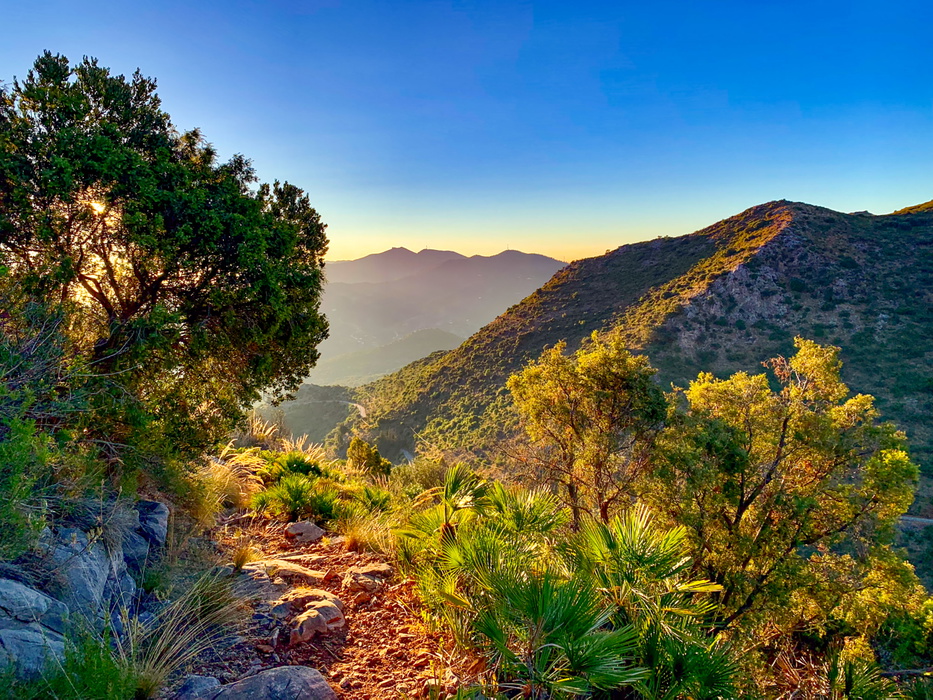
What makes this guide distinctive is its premise: that the coastal mountains of Andalucia conceal some of the finest walking in southern Europe, almost entirely invisible to the millions of visitors who come for the beaches. The Subbética chain of mountains rises just a few kilometres inland, cut through by deep gorges and ancient byways that have seen the passage of livestock, charcoal, muleteers and armies for thousands of years. Walking here carries a sense of continuity that purely modern trails cannot replicate. At some point during every walk in the book, the sea comes into view — Atlantic or Mediterranean depending on where you are — and that combination of mountain grandeur and ocean backdrop is the defining quality of the collection.
The second edition has been updated throughout by Mike Yeatman, who moved to the Grazalema Park in 2020 and walked every route personally. It updates and extends the original guide by Guy Hunter-Watts, who lived and worked in Andalucia for over 30 years and whose deep knowledge of the region underpins the book. This planning guide answers the most common questions walkers have before setting out. For complete route descriptions and 1:50,000 mapping for all 40 walks, see the Coastal Walks in Andalucia guidebook.
The 40 walks at a glance
Coastal Walks in Andalucia divides its routes across four coastlines and seven natural parks, giving each region its own chapter with walks grouped by park. The table below highlights a curated selection of eight walks that represent the range of terrain, length and difficulty across the guide. Distances and timings for all 40 routes are given in the route summary table inside the guidebook.
| Walk | Region / Park | Distance | Grade |
|---|---|---|---|
| Cape Trafalgar to Conil via Torre de Castilnovo | Costa de la Luz / La Breña y las Marismas | 14 km | Medium |
| Gibraltar circuit via Mediterranean Steps | Costa de la Luz / Los Alcornocales y del Estrecho | 9.5 km | Medium |
| Pico Reales circuit via El Pinsapar forest | Costa del Sol / Sierra Bermeja y Sierra Crestellina | 7 km | Easy / Medium |
| Ascent of La Concha from Refugio de Juanar | Costa del Sol / Sierra de las Nieves | 15 km | Medium / Difficult |
| Ascent of La Maroma from Canillas de Aceituno | Costa Tropical / Sierra de Tejeda, Almijara y Alhama | 19.5 km | Difficult |
| Nerja circuit via the Rio Chillar | Costa Tropical / Sierra de Tejeda, Almijara y Alhama | 15 km | Medium / Difficult |
| San José circuit via Monsul and Los Genoveses | Costa de Almería / Níjar-Cabo de Gata | 11.5 km | Medium |
| Agua Amarga to Las Negras | Costa de Almería / Níjar-Cabo de Gata | 13.5 km | Medium |
The 40 walks are organised into four coastal zones, each with its own character.
Costa de la Luz (Walks 1–10) covers the Atlantic coast from Vejer to Gibraltar, spread across two parks. The five walks in La Breña y las Marismas follow clifftop and marshland paths close to Vejer, Conil and Los Caños de Meca, with generally gentle gradients and sea breezes that make walking enjoyable even in summer. The five walks in Los Alcornocales y del Estrecho introduce the beautiful canuto gorge ecosystem of the Alcornocales park and include the Gibraltar circuit — one of the most unusual outings in the entire guide.
Costa del Sol (Walks 11–27) is the largest section, with 17 walks divided across three parks and the Sierra de Mijas massif. Sierra Bermeja y Sierra Crestellina centres on Casares and Manilva and offers exceptional views of Morocco and Gibraltar despite the walks being entirely inland. The six walks in La Sierra de las Nieves, a UNESCO World Heritage Site, range from short reservoir circuits to the full ascent of La Concha above Marbella. The six Sierra de Mijas walks explore a compact but varied massif accessible from Mijas, Benalmádena and both Alhaurín villages.
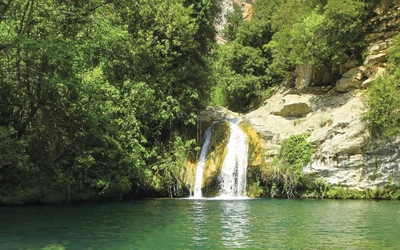
Costa Tropical (Walks 28–34) covers the area between Nerja and Almuñécar, including some of the longest and most demanding walks in the book. Three big summit and ridge walks start from high villages like Cómpeta and Canillas de Aceituno; the Nerja gorge walk is widely considered unmissable; and the La Herradura circuit passes two of the Costa Tropical's finest beaches.
Costa de Almería (Walks 35–40) centres on the Níjar-Cabo de Gata Natural Park east of Almeria. The volcanic coastal landscapes here are unique on the Spanish mainland: arid, mineral and strikingly beautiful. Six walks explore remote coves, sea cliffs, salt flats and dramatic geology found nowhere else in Andalucia.
Who are these coastal walks suitable for?
The 40 walks in Coastal Walks in Andalucia are suited to regular walkers of all experience levels. All routes are within the capabilities of anyone in reasonable health who walks on a regular basis, and the four-grade system — Easy, Easy/Medium, Medium and Medium/Difficult — makes it straightforward to match a walk to your fitness and experience on any given day.
Easier routes, such as the marshland circuits near Barbate or the shorter Istán reservoir walk, are well within reach of occasional walkers and those with young families. Medium routes, which form the backbone of the guide, involve sections of steeper climbing but are manageable with a reasonable level of fitness and no specialist skills.
That said, the guide is honest about where it asks more of you. Several Costa Tropical and Costa del Sol walks involve steep terrain and occasionally loose ground. The La Concha ascent from Refugio de Juanar specifically requires a head for heights and the use of hands at one or two points — this is flagged clearly in the information box. The Maroma ascent is a full-day undertaking suited to experienced hill walkers. If you always read the route description and information box before setting out, you will know exactly what to expect.
How difficult are the coastal walks in Andalucia?
Walks in Coastal Walks in Andalucia are graded across four levels:
- Easy: shorter walks with little height gain, suitable for all
- Easy/Medium: mid-length walks with little steep climbing
- Medium: mid-length walks with some steep ascent and descent; the most common grade in the guide
- Medium/Difficult: longer routes with multiple steep sections; require good fitness and plenty of time
The grading assumes typical conditions in winter, spring or autumn. In high summer, heat adds significantly to the challenge of any route — a walk graded Medium in April can feel considerably harder in July. Always carry more water than you think you need, whatever the season.
Navigation is generally straightforward thanks to waymarking improvements since the first edition, combined with the book's written route descriptions, 1:50,000 mapping and downloadable GPX files. Waymark posts are damaged or missing in some areas, so using the GPX track as a backup is strongly recommended for less experienced navigators.
When is the best time to walk on the Andalucian coast?
As a general rule, the best time to walk in Andalucia is from March through to June and from September to late October. During these periods you can expect mild, sunny weather: warm enough to be comfortable, cool enough to walk all day without heat becoming a serious consideration. Wildflowers are at their best in late April and early May, and this is when many walking companies schedule their Andalucia programmes.
July and August present a genuine challenge. Temperatures regularly reach the mid to high 30s and, while shorter walks tackled early in the morning remain possible, most walkers avoid these months for anything longer or more strenuous. If you do walk in high summer, start before 8am, carry at least three litres of water per person and limit yourself to shaded gorge walks or coastal routes where sea breezes provide some relief.
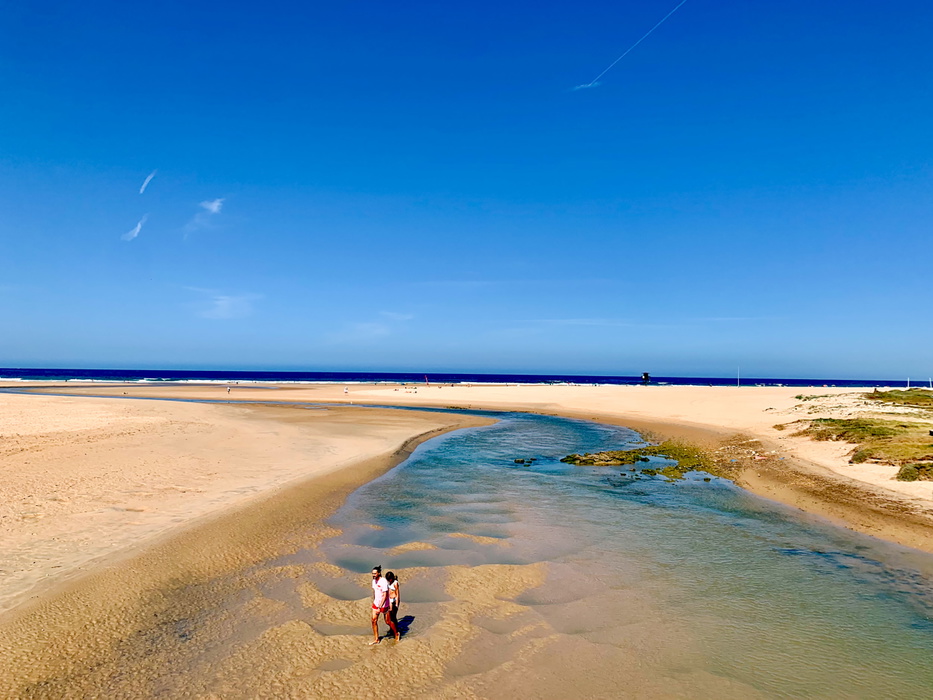
Winter (December to February) is an excellent option, particularly for the Cabo de Gata, which is one of the driest areas in Europe and sees more winter sunshine than any other part of southern Spain. Rainfall is generally lower in winter than in November, March or April, though recent decades have produced some unusually wet winters — check forecasts before you go. Winter walking on the Atlantic coast around Tarifa requires an additional check: when levante winds blow strongly through the Strait of Gibraltar, beach walking can become very difficult. Wind forecast sites such as windguru.cz are worth consulting before heading out to that section of coast.
Spring is consistently the most rewarding season. The combination of mild temperatures, long days, wildflower displays and good walking conditions across all seven regions makes March to June the sweet spot for most walkers visiting the region for the first time.
What accommodation is available?
Villages just back from the coast are the best base for walking in Andalucia, and they offer significantly better value than the hotels of the coastal resorts. As a general guide, €65–€85 per night should secure a comfortable double room with its own bathroom, and breakfast is often included. The guidebook's Appendix B lists the authors' recommended hotels, hostels and B&Bs in and around each walk's start village — all personally visited and confirmed as clean and welcoming.
Most listed accommodation is also available on booking.com or Airbnb, though contacting the hotel directly often saves the commission they would otherwise pay to those platforms, and owners will sometimes offer a slightly lower rate as a result. Smaller village hostels in budget price brackets often do not provide soap or shampoo, so it is worth packing these; marble floors, common throughout Andalucia, can also be very cold in winter — a pair of light slippers is a practical addition to your kit.
Accommodation is most readily available around the main walking bases: Vejer de la Frontera and Bolonia on the Atlantic coast; Casares, Istán and Marbella for the western Costa del Sol; Mijas and Alhaurín for the Sierra de Mijas; Cómpeta, Frigiliana and Nerja for the Costa Tropical; and San José, Las Negras and Agua Amarga for the Cabo de Gata.
How do I get to the Andalucian coast for walking?
By air: Malaga is the main gateway for most of the guide's walks, with direct flights from all major UK cities and scheduled services with British Airways and Iberia. It is the best arrival point for the Costa del Sol, Sierra de las Nieves, Sierra de Mijas and Costa Tropical walks. For the Atlantic coast (Costa de la Luz), Seville, Jerez and Gibraltar airports are more convenient. The nearest airports to the Cabo de Gata at the eastern end of the guide are Granada, Almeria and Murcia.
By car: Car hire in Spain is generally inexpensive, and all major operators are represented at all airports — Malaga typically offers the lowest rates. A hire car is strongly recommended for this guide. Public transport within the coastal walking areas is limited, and many trailheads are away from village centres, making a car essential for efficient trip planning.
By train and bus: None of the seven regions covered has direct rail access. It is possible to reach Jerez, Cádiz, Malaga or Almeria by train and then continue by bus or taxi, but bus services within the coastal parks are sparse, particularly on the Atlantic coast and in the Cabo de Gata.
What makes the Cabo de Gata special?
The Cabo de Gata section of the guide warrants particular attention because it is unlike anything else in the book. Europe's driest region and a UNESCO Biosphere Reserve, the Cabo de Gata Natural Park near Almeria is formed from ancient volcanic rock that gives its landscapes a mineral starkness found nowhere else on the Spanish mainland. Six walks explore remote coves, dramatic sea cliffs and salt flats that host greater flamingos, spoonbills and a range of wader species that make this one of the finest birdwatching destinations in southern Europe.
The best time to visit is spring, when the desert-like landscapes briefly turn green and wildflowers appear in surprising abundance. Winter is the other outstanding season: the Cabo de Gata receives more sunshine hours than anywhere else in Andalucia between November and February, and in winter and spring you will often have the walks entirely to yourself. Only in high summer does the heat make walking genuinely difficult, and even then the dramatic scenery and remote beaches make it worth an early-morning effort.
Wildlife and nature on the Andalucian coast
Andalucia is one of the best birdwatching destinations in Europe, and the natural parks covered in this guide provide rich rewards at any time of year. The annual raptor migration across the Strait of Gibraltar is one of Europe's most remarkable wildlife spectacles: thousands of vultures (Egyptian, griffon and black), eagles (golden, imperial, booted and Bonelli's), honey buzzards and storks circle up on thermal currents and glide between the two continents. Northward migration runs from February to May; southward migration from August to late October. The marshes near Barbate are among the best sites in southern Spain for wading birds, while the Cabo de Gata salt flats are reliable for flamingos and spoonbills.
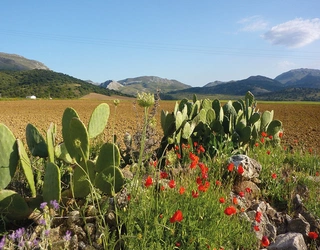
Away from birds, the annual wildflower display in late spring is as good as anywhere in southern Europe, with forty per cent of all Iberian plant species present in Andalucia, many in the coastal zone. Ibex are making a rapid comeback in the Sierra de Tejeda and the Sierra de Ojén, wild boar and deer are present throughout the inland parks, and the Gibraltar walk offers close encounters with Barbary apes along the high ridgeline. Reptiles are common; of Andalucia's many snake species only the Lataste's viper is venomous, and it is rarely encountered in coastal areas.
Coastal Walks in Andalucia
40 hikes around Gibraltar, Marbella, Malaga and Almeria
£17.95
SALE
£15.26
Over 40 half and full-day walks along Andalucia's Atlantic and Mediterranean coasts. The guidebook features the best of the Subbetica range, nearly all walks falling within Natural Parks and Reserves, from Vejer to Tarifa on the Atlantic and from Estepona, Marbella and Mijas to Nerja and Almunecar on the Mediterranean. Year-round walking.
More informationPlan your Coastal Walks in Andalucia with the Cicerone guidebook
Coastal Walks in Andalucia by Guy Hunter-Watts and Mike Yeatman (2nd edition, January 2025) is the authoritative planning and on-trail companion for walking the Andalucian coast. The guidebook includes:
- Full route descriptions for all 40 walks across four coastal zones and seven natural parks
- 1:50,000 mapping for every route
- GPX files available to download free for all 40 walks
- Route information boxes for each walk covering start point, distance, ascent/descent, grade and estimated time
- Suggested walking bases for each of the seven coastal regions
- Notes on history, plants, wildlife and points of interest for every walk
- Appendix A: useful contacts including map suppliers and birdwatching resources
- Appendix B: accommodation listings — personally visited hotels, hostels and B&Bs by region
- Appendix C: glossary of Spanish walking terms
- Appendix D: further reading on Andalucian wildlife and flora
- Practical information on getting there, when to go, eating out, safety and what to take
Available as a printed guidebook (£17.95) or digital eBook.
About Guy Hunter-Watts, guidebook author
Guy Hunter-Watts lived and worked in Andalucía for over 30 years. After studying at the universities of Santiago and Salamanca, he taught English in South America before moving to the Ronda mountains where he led guided walks for almost 25 years. His work as a walking guide and freelance journalist took him to many corners of the planet including India, Namibia, Tanzania, Latin America and Mongolia. Sadly, Guy passed away in 2023.
About Mike Yeatman, guidebook author
Mike Yeatman retired from owning several businesses in the UK to live in a mountain village near Ronda in 2020. He has walked, climbed and trekked extensively around the world including adventures in Iceland, Arctic Norway, Sweden, China, Africa, the Alps and North America. Mike previously owned and operated a mountain holiday business in the UK. With his wife, and fellow keen mountaineer, Christine, he now lives for part of the year in the French Alps and the rest of the year in the Grazalema national park in Spain.