Martyn Howe's reflections from five of Britain's big trails
Martyn Howe has walked over 8,000 miles on Britain's long-distance trails, from a teenage first outing on the Pembrokeshire Coast Path to a 2,300-mile pilgrimage along the England Coast Path. In this feature he picks out five journeys that have stayed with him: the wild solitude of the Southern Upland Way, the slow rhythms of Glyndŵr's Way, a week-long sprint along the Thames Path, the England Coast Path in full, and a self-devised route north to John o'Groats. Along the way he reflects on what decades of backpacking have taught him about pace, curiosity, and the case for walking more.
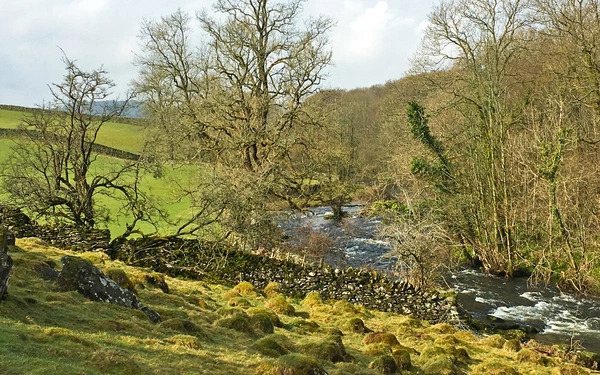
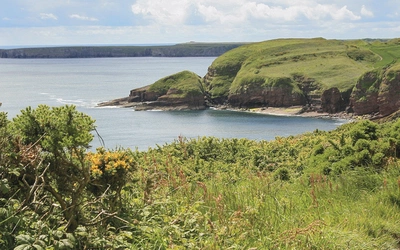
The UK is blessed with arguably the world’s greatest footpath network, with over 137,000 miles of public rights of way and open access. My first experience of a designated long-distance route came at 15, when, with a friend, I walked from Fishguard to Milford Haven along the Pembrokeshire Coast Path. Over 30 years later, I found myself walking the same path on a short holiday with my wife, retelling my story of adventure in cotton tents and with heavy paraffin stoves. I was between jobs and at a loss as to how to fill a couple of weeks. “Why don’t you walk this path again?” she suggested. Little did I realise that this would start a series of long-distance walks along the UK National Trails and beyond.
I have now walked over 8,000 miles on formal multi-day backpacking trips, and when asked which I recall as favourites, these are the routes that have had the greatest impact. I have learnt that a cycle of curiosity, adventure and learning can be addictive, and that an immersive outdoor adventure becomes an inner journey, where you become one with nature and understand what it means to be alive. It is truly transformational and has led me to publish two books – Tales from the Big Trails and The Coast is Our Compass – an artistic experience that has revealed relationships among art, nature, and walking, and has been incredibly uplifting and joyful. Each of these routes is different, but let me try to inspire you to take your own journey along a path that is not too far from your doorstep.
The Southern Upland Way
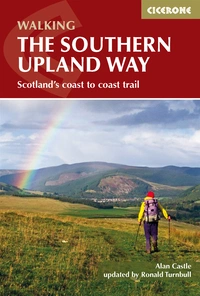
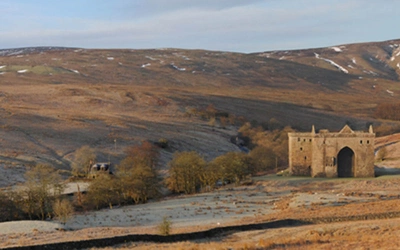
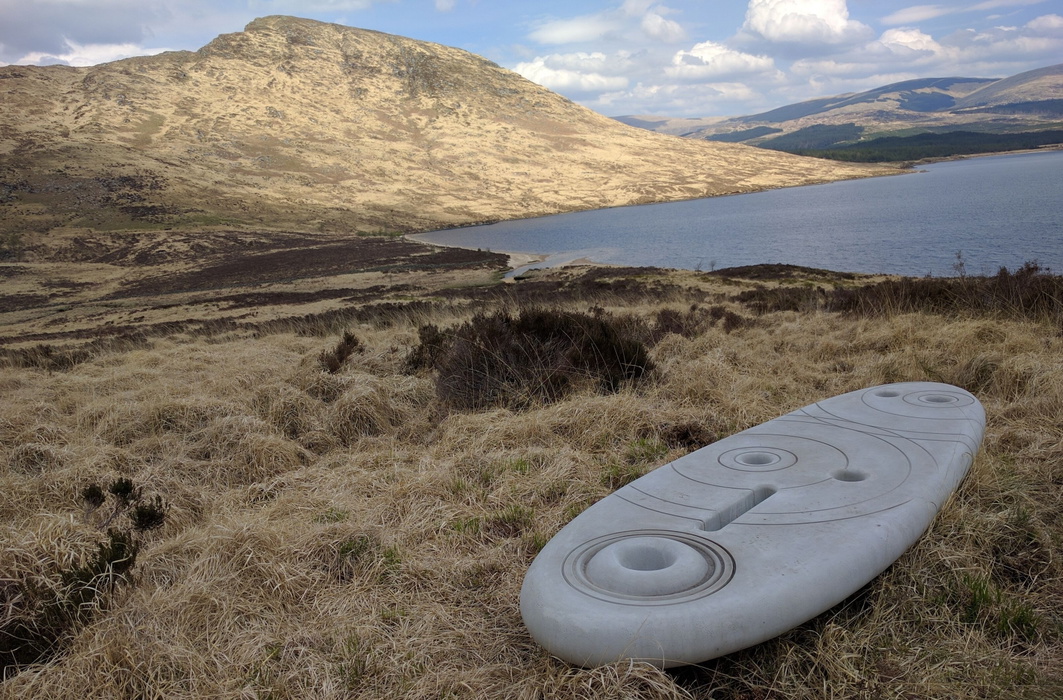
The ‘Wainwright’ Coast to Coast is very popular, yet another route - The Southern Upland Way - traverses the Southern Uplands of Scotland and is wild, remote, and challenging. It is one of the formally designated long-distance routes, with thistle waymarks from Portpatrick to Cockburnspath. At 212 miles across the remote hills of the Southern Borders, it is a perfect backpacking route, with occasional bothies and villages for re-supply and shelter. I walked east to west, with a lucky north-easterly wind, in 10 days, which is a good pace for me.
You will not see many other walkers, and it is an opportunity to experience sublime solitude and connection with the landscape. Sitting at the top of Lowther Hill on a clear morning, it was a challenge to find any evidence of human presence. Moments such as these stay with you, as does the impressive sight of a river of deer descending the hills over fence and crag, with such grace and speed. Two legs cannot match four, even if you are using walking poles.
Arriving at Black Head lighthouse, I took a short coastal walk to Portpatrick, then a sequence of buses and trains to Milngavie, where I would start another trek to Inverness. It took a while to adjust to civilisation again, as I joined the commuters through Glasgow Central Station, and woke to join a crowd of walkers heading north on the West Highland Way.
Glyndŵr’s Way
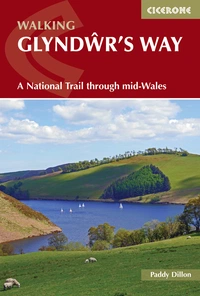
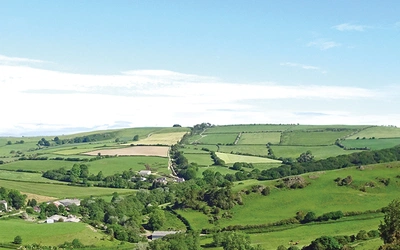
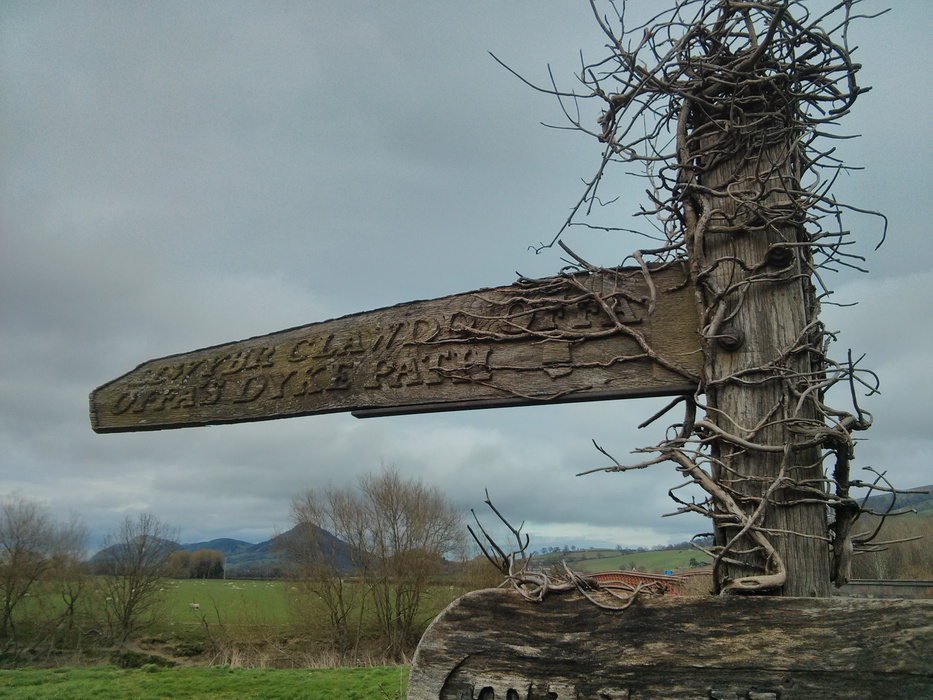
Another route to solitude is to explore the central area of Wales around Glyndŵr’s Way. Take a gentle pace to absorb the woodlands, tranquil open moorland, and countryside, which have changed little over the past century. There is a real sense that a hundred years have been subtracted from your calendar, as traditions and values, fast disappearing in a modern world, reassert themselves. If you should meet a farmer or villager, you have to stop and chat; you will receive a warm welcome and an insight into the landscape and working lives.
I have fond memories of a stay in a miner's cottage, with a traditional Welsh dresser holding precious crockery, near a coal fire, and a welcome tea cake on an antique stand, served at a pace that prepares for conversation. I have often returned by car to Powys County, but I cannot replicate the experience. The wild camping (usually endorsed by the farmer) and the remote setting cannot be seen from an A-road. The experience of camping in woodland, or even one night next to the grave of The Prince of Wales in Abbeycwmhir, was memorable, if you can excuse for a moment being woken at an ungainly hour by a friendly sheepdog who wants to know your business. If any path teaches you that walking is not a sport, this one will.
The Thames Path Marathon
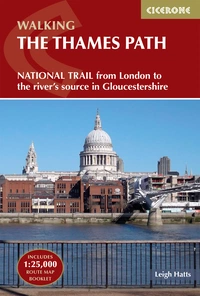
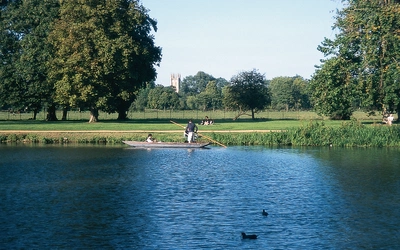
Yet a quick tap on the calculator revealed that The Thames Path is almost exactly seven marathons long! That sparked a challenge. Could I walk its length in a week, using trains and buses to travel light? It should be achievable, given that it is flat throughout. Maybe walking can be a sport?
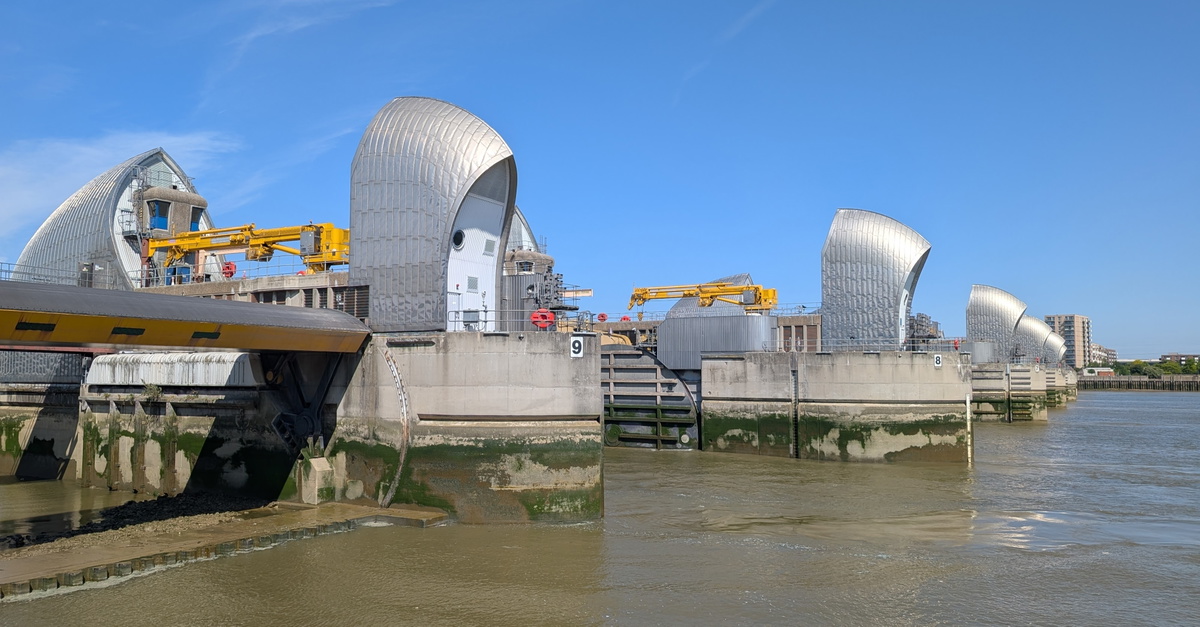
Walking in winter, leaving the Thames Barrier to head upstream, was a metaphor for escaping the city for the natural world, just as the opposite direction could be seen as a metaphor for life: from birth to death, as the river reaches the North Sea. What struck me was how quickly I could leave the capital. On reaching Putney, the soft rustle of trees and the squawk of ring-tailed parakeets signalled that the countryside lay ahead. I was exhausted on reaching Richmond and could barely walk to the tube station. Could I maintain this for a further six days?
It need not have worried, for with the exception of a few muddy or flooded sections, I maintained progress to reach Lechlade, and the final miles to the source stone, decorated with coins, as if to mark payment to nature for those who had come before. River walking is special, as you both flow through cities, towns, and villages rich in the heritage of education, agriculture, and trade. This is a journey from a complex metropolis to the quieter rural fields of England, a land of diverse landscapes and cultures that enriches the experience of walking.
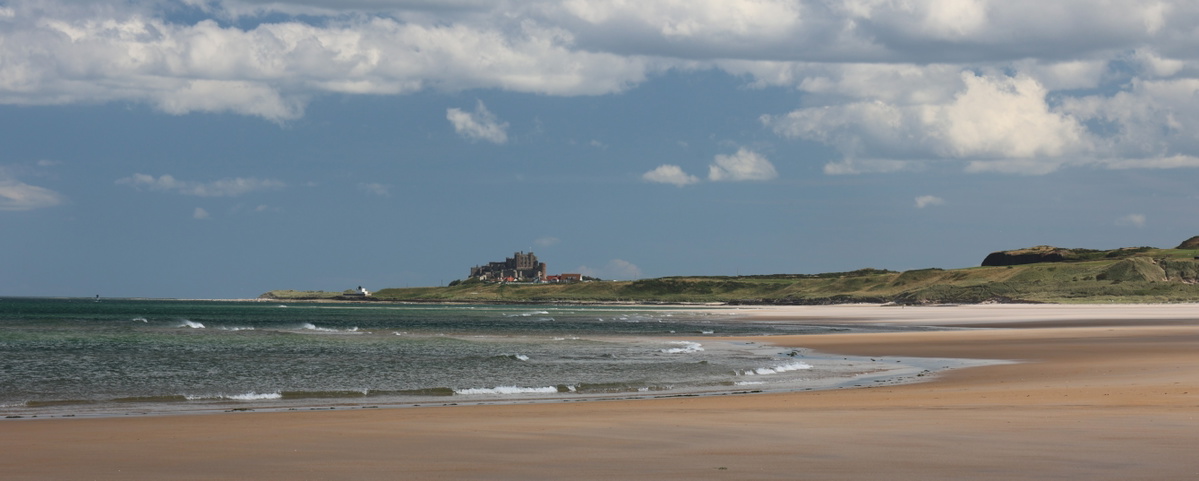
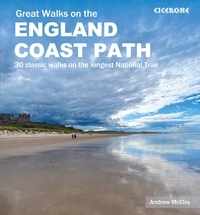
A pilgrimage along the King Charles III England Coast Path
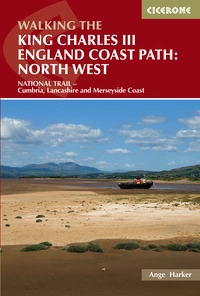
I completed my last National Trail (Peddars Way and Norfolk Coast Path) some 10 years ago, only to find the acorn waymark still pointing east at Cromer. Not only had the path been extended beyond my guide’s scope, but a new project had been brewing for four years – the England Coast Path, an astonishing 2,689 miles long.
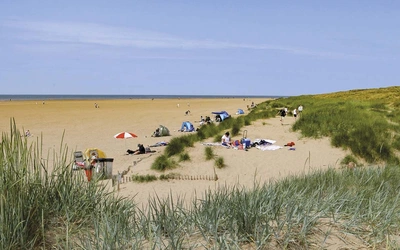
If you have walked the South West Coast Path (630 miles), you have covered a quarter of the distance and climbed two-thirds of the elevation. The remaining northwest, eastern, and southern coastlines are easygoing and offer new perspectives, with long, remote seawalls, urban and industrial landscapes, wide bays, and long beaches. You will also meet wonderful people from communities who are more than happy to share their stories and offer a deeper understanding of the places they call home. After four months of walking, I returned to Cromer with a sense of achievement and contentment that surpassed that of all my other long-distance routes.
The path, renamed after our monarch's coronation, matches the length of any of the USA's Triple Crown trails, yet lies no more than 70 miles from any English doorstep. The next time you visit the seaside, consider what might happen if you turn left or right to explore the edge of a nation. Immersive walking in blue spaces has a powerful effect on our physical and mental well-being – an inner journey that touches your soul, a pilgrimage that will remain with you for the rest of your life.
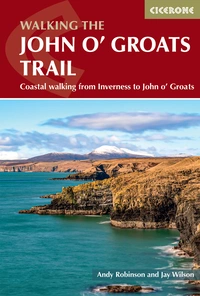
A journey to the John o’Groats Trail
Having walked the Wales Coast Path (an excellent alternative to the SWCP), I was running out of coastal paths. I had explored the Essex estuaries, a few of the islands I had missed, the Solent, and even the Channel Islands and the Scilly Isles (all superb), but I was seeking another challenge. The east coast of Scotland seemed right after I met someone near Berwick who suggested I walk to Edinburgh. With a little research, I realised I could connect the Berwickshire Coast Path to the John Muir Way, the Fife Coastal Path, and St Duthac’s Way. With a bit of imagination and the Moray Coastal Trail, I could reach Inverness, from where I could embark on the John o’Groats Trail.
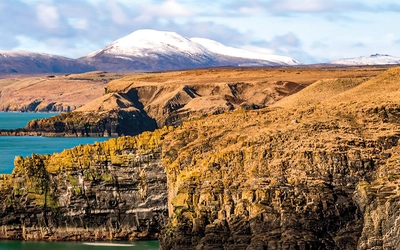
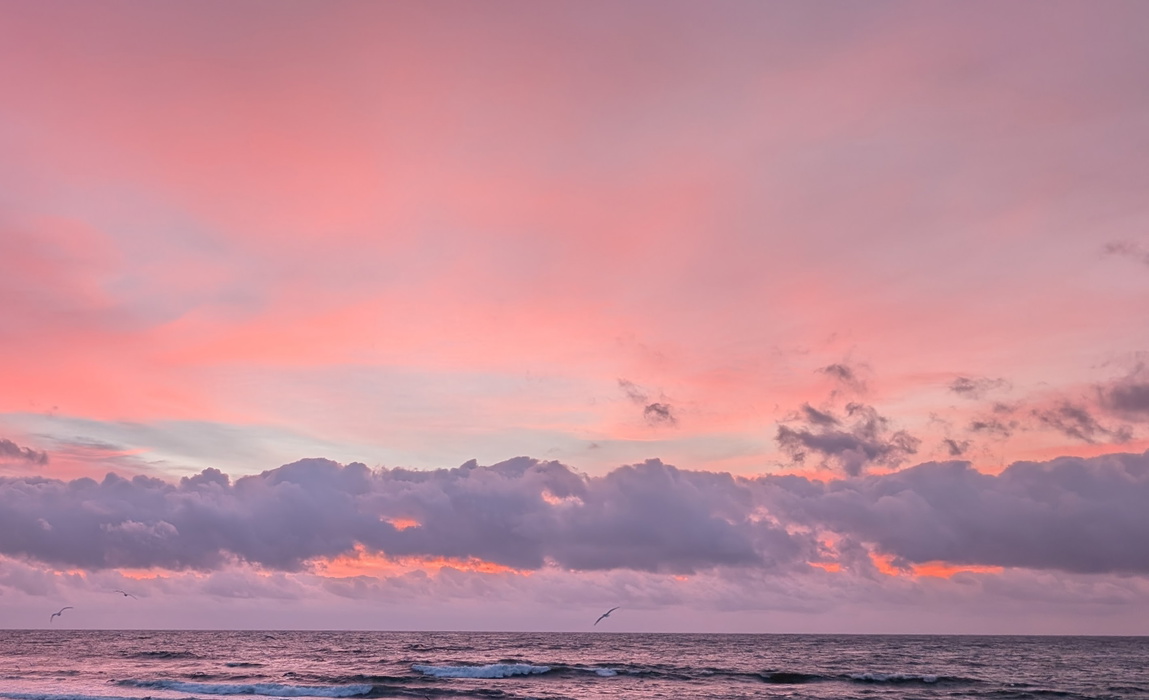
A group of enthusiasts, volunteers and locals have done a great job of building the final 147 miles from Inverness to John o’ Groats, the final section from Berwick – a journey of almost 600 miles along some of the most rugged and wild coastline I have experienced. I am sure the west coast of Scotland will exceed it, but I enjoy the eastern perspective and the stunning sunrises, which feel more optimistic than a sunset over the western shore. On reaching Dornoch and walking the golden beaches north, I encountered more rugged cliffs and paths connecting the coastal villages for resupply. I wild-camped often, emerging each morning at first light to see the pink sunrises and a golden orb rise over the North Sea. I was lucky with the weather, as the train home from Wick suggested that many of the beaches I had walked would be impassable as the settled weather changed for the worse. Yet a backpack gives you the flexibility to adjust your schedule.
After arriving in John o’Groats, I could touch the famous signpost and reflect on a raw, wild coastal journey that takes you outside your comfort zone. This is the price to pay for experiencing the longest beaches, unexpected wildlife, and warm, welcoming communities – altogether a life-affirming experience I cannot wait to repeat.
My walking practice has changed over the years, from one where I focus on reaching my destination to one where walking in the present is enough. I began to relax more, which had the counterintuitive effect of making me walk farther. No doubt my pack has got lighter, as I shed items I never used, and walking poles and the correct footwear have made a huge difference.
More than this, experience teaches you to respect your limits and the need to rest, for if you do not, your body will take a rest for you, and it might not be at a convenient time. When the conditions for relaxed walking align, you enter a flow state which is utterly joyful. You start to see so much more in the landscape, and your senses come alive as the addictive, happy hormones course through your body. I will not forget a special moment descending to a hostel in Earby after a long day. I seemed to float as I watched the sunset, knowing a meal and a good bed were waiting for me.
As a society, we do not walk nearly enough. Technology is evolving much faster than we are, and I believe this causes discomfort. Walking is the right pace for exploring the world, connecting with nature, our communities, and who we are. Take a first step and explore – you might be surprised by the benefits that will follow.
About the author, Martyn Howe:
After 40 years as a multinational technology executive, Martyn Howe (trailplanner.co.uk) rediscovered his passion for walking outdoors, completing all of Britain’s 19 National Trails in 2016 – covering 3,000 miles over 153 days through some of the world’s most wonderful and diverse landscapes. His 2021 book, Tales from the Big Trails, tells this story. Upon finishing the final trail, at Cromer in Norfolk, he learned of an audacious plan to build a new 2,700-mile National Trail around the coast of England – a trail now known as the King Charles III England Coast Path. In his mind, there was no question that this new route needed to be walked. He shares these experiences in his second book, The Coast is Our Compass, which ventures deeper into how it feels to undertake a coastal pilgrimage, and how it helped him learn more about himself and the challenges the world faces.
All article photos © Martyn Howe.